
Beyond Boiled Broccoli: How to Eat More Fruit & Veg (And Actually Enjoy It)
An exclusive sneak peek from Chapter 2 of my upcoming book, Nourish and Thrive launching this January 2027!
We have all heard the advice repeated like a mantra since childhood: Eat your fruits and vegetables!
Yet for so many people, that advice conjures up memories of soggy steamed greens, bland side salads, or watery melon slices. Eating your five-a-day can start to feel like an obligation or a chore rather than a pleasure.
In this extract from Chapter 2 of Nourish and Thrive, we’re tearing up the rulebook on boring greens.
Fruits and vegetables aren’t just decorative additions to your plate; they are nature’s pharmacy. When you learn how different cultures use spices, heat, and textures to bring them to life, eating the rainbow becomes an exciting everyday adventure.
Why Fruit & Veg Are Non-Negotiable: The Science
Under the UK Eatwell Guide fruits and vegetables should make up over one-third of everything we eat each day
Here is what makes them such nutritional powerhouses:
Antioxidant Bodyguards:
Every day, normal metabolic processes and environmental stressors produce free radicals—unstable molecules that can damage cells. The vibrant pigments in fruits and vegetables are packed with antioxidants that neutralise these molecules and protect your cellular health.
Essential Vitamins & Minerals:
From vitamin C for collagen production and immune defence, to potassium for blood pressure regulation, and vitamin A for skin and vision, plant foods deliver micronutrients in the exact matrix your body needs to absorb them effectively.
Gut-Loving Fibre:
Dietary fibre regulates digestion, supports gut motility, keeps blood sugar steady, and feeds the trillions of beneficial bacteria living in your microbiome.
Cellular Hydration:
Many fruits and vegetables (such as cucumbers, tomatoes, melons, and berries) consist of over 85–90% water, supporting natural hydration, kidney function, and energy levels.
Eat the Rainbow:
What the Colours Actually Mean
Eating a diverse range of plant foods ensures you aren't just getting one type of nutrient. Each colour family represents a distinct cluster of protective phytochemicals:
- Deep Greens (Spinach, Kale, Callaloo, Pak Choi): Loaded with folate, iron, calcium, vitamin K (for bone health), and lutein (for eye health).

- Bright Reds (Tomatoes, Watermelon, Red Peppers): Packed with lycopene a powerful antioxidant associated with cardiovascular health and prostate protection. (Fun fact: cooked tomatoes release more bioavailable lycopene than raw ones!)
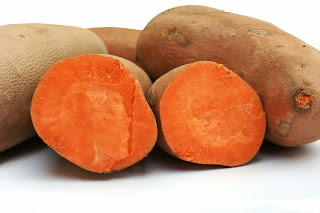
- Vibrant Oranges & Yellows (Carrots, Sweet Potatoes, Butternut Squash, Mangoes): Rich in beta-carotene, which the body converts into vitamin A to support immune health and vision.
- Purples & Blues (Berries, Aubergines, Red Cabbage, Plums): celebrated for brain health, vascular function, and fighting inflammation.
- Whites & Browns (Garlic, Onions, Mushrooms, Leeks): prebiotic fibres that nurture beneficial gut bacteria and support natural defences.
Expanding Your Horizons: Lessons from Global Cuisines
Healthy eating is universal, but British food culture hasn't always been the most adventurous with vegetables. To make plants truly delicious, take inspiration from Afro-Caribbean, South Asian, and East Asian traditions:
- Don't Fear the Spice Rack: Vegetables love bold flavours. Sauté greens with garlic, ginger, spring onions, cumin, or a touch of scotch bonnet chilli. A pinch of turmeric or a dash of dark soy sauce completely transforms ordinary greens.
- Embrace Diverse Greens: Step outside standard garden peas and broccoli. Try callaloo (amaranth greens), pak choi choi sum or mustard greens Quick-braised with garlic and a splash of stock, they retain their crunch and vibrant flavour.
- Celebrate Hearty Staples: Incorporate nutrient-dense cultural staples like plantains yams and okra. Okra is phenomenal in rich stews, delivering soluble fibre that thickens sauces naturally while supporting gut and heart health.

Big Fruit & Veg Myths Busted
Myth 1: Fruit has too much sugar.
While fruit contains fructose, it is bound within a fibrous cellular structure, alongside water, vitamins, and antioxidants. This fibre slows down sugar digestion, meaning whole fresh fruit produces a steady, gentle blood sugar response. Whole fruit is deeply nourishing—don't let diet culture scare you away from apples, berries, and bananas!
Myth 2: Fresh is always better than frozen or tinned.
Not true! Vegetables and fruits destined for the freezer or tin are typically picked and frozen or canned within hours of harvesting, locking in their peak nutrients.
Tinned chopped tomatoes, tinned sweetcorn, and frozen peas or berries are affordable, shelf-stable, waste-free, and just as nutritious as fresh produce. Just look for tinned fruit in natural juice rather than syrup, and tinned veg without added salt.
Myth 3: You have to buy everything organic.
Eating conventional fruits and vegetables is infinitely better for your health than skipping them because organic feels too expensive. A good rinse under running water removes surface dirt and residues. Focus on variety and affordability first.
Simple Ways to Add More Colour This Week
- Grate It In: Add grated courgette, carrots, or finely chopped mushrooms into minced meat sauces, curries, and stews—it adds moisture, stretches your budget, and packs in stealth nutrients.
- Roast on High Heat: If you dislike boiled vegetables, try tossing cauliflower, carrots, and peppers in olive oil, smoked paprika, and sea salt, then roasting at 200°C until caramelised at the edges. The natural sugars caramelise, creating a rich, sweet, nutty flavour.
- Upgrade Your Breakfast: Toss a handful of frozen berries into morning oats, or fold a handful of baby spinach and halved cherry tomatoes into scrambled eggs.
- Prep for Convenience: Keep a tub of sliced cucumber, radishes, and bell peppers in water in the fridge so they stay crisp and ready for dipping into hummus.
Discover Real Food Freedom in Nourish and Thrive
Healthy eating should feel abundant, colourful, and culturally satisfying—not restrictive, bland, or punishing.
In my new book, Nourish and Thrive I guide you step-by-step through building balanced, energising meals using everyday ingredients you actually look forward to eating.
Nourish and Thrive launches this January 2027 !
Keep your eyes on the blog for the official release date, book bonuses, and where to order your copy.
Enjoyed this post? You might also like to explore more articles here — or grab your FREE Eatwell Portion Guide below! 🌿
Free Eatwell Portion Guide 🌿
Not sure what a balanced plate actually looks like? My free one page guide breaks down exactly what to eat and in what proportions — based on the official Eatwell Guide.
- Clear food group breakdown
- Exact plate proportions
- Real food examples for every category
- Simple enough to use every single day
Delivered straight to your inbox — completely free! 💚
Grab Your Free Guide Here





Comments
Post a Comment