
Carbs Aren’t the Enemy: Why Starchy Foods Belong on Your Plate
Why Carbs Aren’t the Enemy: The Truth About Bread, Potatoes, Rice and Pasta
An exclusive sneak peek from Chapter 3 of my upcoming book, Nourish and Thrive, arriving this January!
If you have ever felt guilty for enjoying a warm baked potato, a bowl of pasta, or a fresh slice of sourdough bread, you are definitely not alone.
For years, diet culture has treated carbohydrates like the villain of the dinner table. We’ve been told to cut them out, replace them with cauliflower, or skip them entirely if we want to stay healthy or manage our weight.
Here is the truth: CARBOHYDRATES ARE NOT THE ENEMY
In fact, starchy carbohydrates are your body’s preferred source of energy. They fuel your brain, power your muscles, provide essential gut-friendly fibre, and supply a powerhouse of vitamins and minerals.
In this extract from Chapter 3 of my book, Nourish and Thrive, we’re shining a spotlight on the Starch Stars—and showing you how to enjoy potatoes, bread, rice, and pasta in a way that truly nourishes your body.
Why Starches Matter: Fuel, Fibre, and Vital Nutrients
Let’s start with the basics. When you eat starchy carbohydrates, your digestive system breaks them down into glucose. Glucose enters your bloodstream and serves as your body’s primary energy source—especially for your brain, which relies on a steady glucose supply to stay sharp and focused.
Beyond pure energy, starchy staples deliver crucial health benefits:
- A Fibre Powerhouse: Starchy carbohydrates—especially wholegrains and jacket potatoes—are among our best sources of dietary fibre. Fibre keeps our digestive systems running smoothly, supports a diverse gut microbiome, promotes lasting fullness, and helps maintain healthy cholesterol levels.
- Essential Micronutrients: Potatoes are naturally rich in vitamin C and potassium. Wholegrains provide vital B vitamins (essential for energy release), iron, and magnesium.
- Affordable and Accessible: There is a reason potatoes, rice, oats, and grains have been staples of human diets worldwide for centuries. They are budget-friendly, versatile, satisfying, and easy to turn into wholesome family meals.
The Starch Stars: A Closer Look
Not all carbs are created equal, but you don't need to eliminate your favourites to eat well. It’s all about choosing quality, variety, and the right preparation.
The Mighty Potato
Potatoes often get unfairly relegated to the “junk food” category because of chips and crisps. But a plain whole potato is an incredible, nutrient-dense vegetable!
Top tip: Leave the skins on! That is where a significant portion of the fibre and nutrients reside.
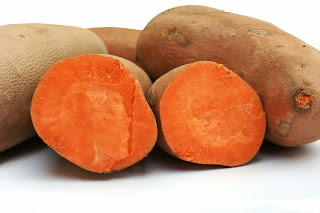
Smart swaps: Try baking or roasting your potatoes with a drizzle of olive oil, and top them with Greek yoghurt, cottage cheese, or a rich bean chilli rather than relying heavily on butter and sour cream. Don’t forget sweet potatoes either—they bring a boost of vitamin A (beta-carotene) and natural sweetness.

Bread: A Global Everyday Classic
Bread has been a dietary cornerstone for millennia. The key to making bread work for you is leaning towards wholegrain, seeded, or authentic sourdough options when possible.
Why wholegrain wins: White bread has had much of its outer bran and germ stripped away during milling. Wholegrain and wholemeal breads retain that fibre, resulting in a slower, more sustained release of energy rather than a sharp blood sugar spike and crash.

Rice and Ancient Grains
White rice is quick and convenient, but brown, red, and wild rice retain the nutrient-rich outer layers, offering significantly more fibre and minerals.
Mix it up: You don’t have to stick to just rice! Grains like quinoa, bulgur wheat, barley, and farro cook just as easily, bring fantastic nutty textures to stews and salads, and offer an extra boost of plant protein.

Pasta Perfection
There is no need to give up pasta nights.
Smart upgrades: Swapping standard white pasta for wholewheat pasta instantly boosts the fibre content. If you want even more protein and fibre, explore legume-based pastas made from red lentils, chickpeas, or green peas—they are brilliant for quick, nourishing weekday dinners.

What Makes a Grain Whole?
You’ll hear me talk a lot about wholegrains in Nourish and Thrive, and for good reason. But what does the term actually mean?
A complete grain kernel is made up of three distinct layers:
The Bran: The hard, protective outer shell. This is packed with dietary fibre, B vitamins, and trace minerals.
The Germ: The nutrient-dense core where the plant sprouts. It contains healthy fats, vitamin E, antioxidants, and B vitamins.
The Endosperm: The largest inner layer, which contains mainly starchy carbohydrates and some protein.
Refined grains (like white flour and white rice) discard the bran and germ, keeping only the soft, starchy endosperm. By choosing wholegrain, you keep the whole package—delivering vastly superior nutrition and longer-lasting satiety.
Reading labels: When shopping, look for the words whole wheat or wholegrain near the top of the ingredients list, rather than just wheat flour or multigrain (which can often just be coloured white flour).
Finding the Balance: Portions Without Obsession
Even nourishing foods need balance. Under the UK Eatwell Guide, starchy carbohydrates should make up roughly one-third of the food we eat
You don’t need kitchen scales or complicated tracking apps to get your portions right. Here are some simple visual guides:
The Fist Rule: A typical portion of cooked rice, pasta, or grains is roughly the size of your clenched fist.
The Potato Rule: A medium-sized baked potato (about the size of a computer mouse) makes a great single portion.
Plate Harmony: For a balanced main meal, aim for about one-third of your plate to come from starchy carbs (preferably wholegrain), one-third from colourful vegetables or salad, and the remaining portion from lean protein (beans, lentils, fish, tofu, or lean meat).
Listen to Your Body: Eat mindfully and chew slowly. Giving your gut hormones time to signal fullness helps you finish your meal feeling satisfied and energised—not sluggish and overstuffed.
Easy Ways to Upgrade Your Starches This Week
- Roast, Don't Deep-Fry: Toss potato wedges or sweet potato batons in olive oil, paprika, and herbs, and bake until crisp.
- Make the Half-and-Half Swap: If you or your family find wholegrain pasta or brown rice too different, mix 50% brown with 50% white to start.
- Pimp Your Porridge: Oats are one of the best wholegrains available. Cook them with milk or fortified plant milk, and top with seeds and berries for a sustained morning energy release.
- Bulk Out Salads with Grains: Toss cold cooked quinoa, spelt, or barley into your lunchtime salad for texture and staying power.
- Love Your Leftovers: Cooling cooked starches like potatoes, rice, and pasta actually creates resistant starch—a type of carbohydrate that acts like prebiotic fibre, feeding the beneficial bacteria in your gut!
Bring Food Back to Basics with Nourish and Thrive
Healthy eating isn't about cutting out whole food groups, spending fortunes on specialty powders, or dreading dinner. It’s about building a sustainable, enjoyable relationship with real, nourishing food.
If you are ready to ditch restrictive food rules and learn how to eat well for life, my new book, Nourish and Thrive, launches in January 2027!
Inside, I walk through every section of healthy eating with realistic meal ideas, practical swaps, budget-friendly tips, and evidence-based answers to your biggest nutrition questions.
Keep an eye on the blog for official launch dates and order links coming very soon!
Enjoyed this post? You might also like to explore more articles here — or grab your FREE Eatwell Portion Guide below! 🌿
Free Eatwell Portion Guide 🌿
Not sure what a balanced plate actually looks like? My free one page guide breaks down exactly what to eat and in what proportions — based on the official Eatwell Guide.
- Clear food group breakdown
- Exact plate proportions
- Real food examples for every category
- Simple enough to use every single day
Delivered straight to your inbox — completely free! 💚
Grab Your Free Guide Here





Comments
Post a Comment