
World Cup Wellness Wrap: A Realistic 7‑Day Plan to Enjoy the Games — and Feel Great Afterwards
Keep the fun, lose the slump
World Cup season is pure magic: friends over, dramatic moments, and late‑night replays. But a week (or a month) of late nights, salty snacks, extra drinks, and skipped workouts can leave you exhausted and a little guilty. This World Cup Wellness Wrap gives you a practical tips that balances the joy of the tournament with small, sustainable habits that keep energy, mood, and health on track even beyond the games
No perfection. No guilt. Just doable choices that add up so
you arrive at the final feeling fit, present, and ready for life as the World Cup
starts to wrap up
How this plan works
- It preserves the social joy of match nights — snacks, drinks, cheering — while spacing recovery and healthy choices across the week.
- It balances four pillars: Sleep & recovery, Nutrition (meals and lower‑salt snacks), Hydration & alcohol pacing, and Movement & rest.
- Each day includes one clear action you can do even if you’re low on energy. Small wins stack into real momentum.
- Alternate alcoholic drinks with water (simple and powerful).
- Prioritise protein and fibre at meals to stabilise energy.
- Use portion control and pre‑portion snacks for shared grazing.
- Aim for one full rest/recovery day after 1–2 late match nights.
- If you have medical conditions (hypertension, diabetes, pregnancy, medications), follow medical advice on alcohol and salt
Before the week starts, set yourself up so choices are easy.
Action: Make a simple shopping list and batch‑prep one core item.
- Shopping: plenty of veg, fruit, eggs, tinned fish (sardines/tuna), frozen veg, wholegrains (brown rice, wholegrain wraps), Greek yogurt, low‑salt nuts, chickpeas/beans, tortillas, oats, nuts, and a few indulgence items (dark chocolate, low‑salt crisps).
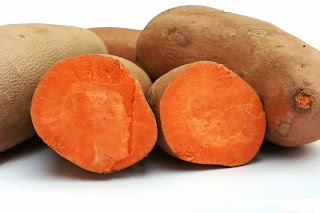
- Batch prep: cook a large tray of roasted vegetables (peppers, courgette/zucchini, cauliflower, sweet potato) and a pot of a simple lentil soup or bean chili. These form meal bases during the week.
- Prep hydration: fill a reusable water jug with lemon/cucumber slices and keep it on the table during matches.
Why it helps: Having staples ready reduces the chance of reaching for expensive or high‑salt takeaways during the first tired night.
Day 1 — match night: enjoy, but pace
Action: Set a drink and snack plan before kickoff.
- Alcohol guidance: UK readers — aim to keep to a total weekly target (NHS: 14 units/week max spread out). US readers — aim for moderation (CDC: up to 1 drink/day for women, up to 2 for men). For a match, try 1–2 drinks only, or alternate every alcoholic drink with a full glass of water.
- Snack plan: serve a large veg & dip board (carrots, cucumber, cherry tomatoes) with a small bowl of oven‑baked sweet potato wedges and a homemade hummus (rinse chickpeas first to reduce the salt). Offer a mocktail option (citrus & mint spritz).
- Portion control: pre‑portion chips/crisps into small bowls (30–40 g), and box half of any larger share plates before you sit down.
Why it helps: Pacing alcohol and prioritising veg stabilises
blood sugar, reduces salt intake, and improves sleep quality.
Day 2 — recovery & movement
Action: Gentle movement and the protein‑rich
breakfast.
- Movement: 20–30 minute brisk walk or a gentle yoga flow to improve circulation and mood. If you’re fatigued, a 10–15 minute mobility routine is still valuable.
- Breakfast: Greek yogurt with oats, berries and a spoon of flaxseed or a two‑egg omelette with spinach and a slice of wholegrain toast.
- Hydration: Add a pinch of salt‑free electrolyte option if you were dehydrated after the match (sports drink sparingly in US/UK — check sugar content), but mostly water.
Day 3 — eat well, keep salt in check
Action: Choose a lighter main meal (tomato‑based
curry or grilled fish) and extra veg.
- Meal idea: tomato‑based curry (madras or a fresh tomato & lentil dal) served with brown basmati rice and a large side salad. If ordering out, ask for sauce on the side and “no added salt.”
- Snack strategy: pick one small treat (a square of dark chocolate) and pair it with a piece of fruit to slow sugar absorption.
- Portion control: if sharing a takeaway, box half on arrival to avoid overeating.
Why it helps: A lighter, tomato‑based approach reduces saturated fat and often cuts salt compared to creamier curries.
Day 4 — match night 2: social & strategic
Action: Host a “build‑your‑own” snack
night to control portions.
- Set up stations: a grain bowl station (brown rice/wholegrain wraps), protein options (grilled chicken, tinned tuna, chickpeas), lots of veg, and a small selection of toppings. Encourage guests to assemble smaller, balanced plates.
- Alcohol tip: offer 0.0% beers and wine spritzers (125 ml wine + 125 ml soda) so guests can alternate and pace.
- Sleep rule: try to stop drinking at least 60–90 minutes before planned bedtime to improve sleep quality.
Why it helps: Build‑your‑own stations let guests make balanced choices, and spritzers reduce alcohol per glass.
Day 5 — active recovery & snacks reset
Action: Focus on fibre & protein all day; batch‑cook
a healthy snack.
- Snack idea to batch: oven crispy chickpeas (roast canned chickpeas tossed with cumin, smoked paprika, and just 1 tsp oil). These are crunchy, high in fibre and protein, and low in salt if you rinse the beans first.
- Movement: light bodyweight routine or a 25–30 minute walk.
- Meals: keep meals simple: grilled fish or tofu, big vegetable salads, whole grains.
Why it helps: Protein and fibre stabilise appetite, preventing the late-night grazing trap.
Day 6 — match night 3: treat with balance
Action: Enjoy one indulgent match‑night item,
but balance the rest of the day.
- Decide your treat ahead (e.g., a portion of loaded nachos or a small pizza). Make the rest of the day lower in salt and higher in veg.
- Swap ideas: if having nachos, make them at home with baked low‑salt tortilla triangles, fresh tomato salsa, rinsed black beans, modest cheese and lots of fresh toppings.
- Alcohol and sleep: limit alcohol to one drink or choose a low‑alcohol option; prioritise winding down after the match.
Why it helps: Pre‑deciding a single treat reduces the “just one more” mentality and keeps weekly totals reasonable.
Action: A full recovery day: sleep in, a nourishing
breakfast, gentle movement, and plan for the next week.
Breakfast: overnight oats with protein (Greek yogurt or
protein powder), banana and walnuts.
Gentle activity: 20–30 minutes of low‑intensity
movement (walk, cycle, or yoga).
Meal plan prep: outline two quick, healthy dinners to make
the next week calm — e.g., tray roast salmon + veg; lentil & vegetable soup
with wholegrain toast.
Why it helps: The reset day consolidates gains, reduces cumulative fatigue, and prepares you for another busy tournament week.
Weekly checklist — quick copy able guide
- Day 0: Batch‑prep veg; buy staples; prep a water jug.
- Day 1: Pre‑set drink limit; veg & dip board; box half of big plates.
- Day 2: 20–30 min movement; protein breakfast.
- Day 3: Tomato‑based meal; reduce salt and soothe digestion.
- Day 4: Build‑your‑own station; offer mocktails.
- Day 5: Batch snack (roasted chickpeas); gentle movement.
- Day 6: One treat night; balance the day and pace drinks.
- Day 7: Recovery—overnight oats, light activity, plan meals.
- Keep water visible: place a jug or an insulated bottle centre‑table to encourage alternating drinks.
- Present veg first: place the veg & dip board closest to the couch — people often eat what’s easiest to grab.
- Label mocktails: give them fun names so non‑alcoholic options feel special.
- Halftime ritual: use halftime to stand, stretch, refill water, and check in — a natural pause prevents automatic grazing.
Medical notes & special groups
- If you have hypertension, chronic kidney disease, or are on a sodium‑sensitive medication, be strict about low‑salt choices and ask kitchen staff for reduced salt.
- Pregnant people, those with liver disease, or taking certain medications should avoid alcohol — mocktails and hydrating options are ideal.
- If you have diabetes, prioritise fibre and protein at meals to avoid big blood glucose swings and coordinate snacks with medication timing.
Final thoughts — style over restriction
Tournament time is for joy, connection and shared
experiences. The point of this plan is not to be strict, but to preserve
energy, reduce regret, and make the tournament more enjoyable long term. Small,
planned choices — a prepped water jug, a veg board, boxed leftovers, and a
single treat night — add up to better sleep, clearer mornings, and more energy
for the next game.
Enjoyed this post? You might also like: read more articles — or grab the free Wellness Pack below.
- Printable 1‑page checklists
- Practical, simple steps you can use this week






Comments
Post a Comment