
Mindful Eating During the Tournament — Enjoy the Games, Eat with Intention
Big tournaments are a brilliant time: friends, excitement, national pride — and, yes, plenty of food and drink. It’s easy for match nights to become a blur of grazing, salty snacks and “one more” drinks. Mindful eating is a practical way to enjoy every moment of the tournament without the regret the next morning. This guide shows you how to stay present, make salt‑smart choices, and still have fun — whether you’re at home, at a pub, or ordering in.
Why mindful eating matters during a tournament
- Eating past fullness because you’re distracted by the match.
- Reaching for salty snacks that increase thirst and make you drink more.
- High‑calorie, high‑salt choices stacked across repeated match nights.
- Sleep disruption from late, heavy eating and alcohol.
The simple rules of mindful eating (that actually work)
- Pause before you start. Take one breath and look at the food. Noticing what you’re about to eat slows the “auto‑pilot” reach‑and‑gobble reflex.
- Put food on a plate. Eating from a communal bag makes portions vanish. A plate or bowl helps you see how much you’re eating.
- Notice hunger vs habit. Ask: “Am I actually hungry, or am I eating because it’s a goal, commercial break, or a tense moment in the game?”
- Savour three bites. Make the first three bites especially mindful — texture, salt, temperature, aroma. That often satisfies the urge to keep chewing.
- Check in mid‑snack. At halftime or during a natural break, ask: “Am I still hungry? Am I full?” This creates small reset moments.
- Use your non‑dominant hand. It sounds quirky, but using your non‑dominant hand slows eating speed and increases awareness.
Hydrate mindfully. Alternate a sip of water between
alcoholic drinks, or have a tall glass of sparkling water beside your snacks.
Match‑night food choices that keep
flavour — and cut salt
You don’t need to make boring swaps to eat more mindfully.
Focus on swaps that preserve enjoyment while lowering salt and improving
satiety.
- Swap large bowls of crisps for a crunchy veg & popcorn combo. Popcorn (lightly seasoned) gives the crunch while veg sticks add fibre and colour.
- Make nachos with oven‑baked tortilla chips, a modest sprinkle of cheese, fresh tomato salsa, beans and avocado. Rinsed canned beans reduce salt while adding filling protein and fibre.
- Choose grilled or roasted proteins (chicken skewers, salmon bites) rather than heavily battered or breaded items. Protein slows alcohol absorption and keeps you fuller.
- Prefer tomato‑based dishes to cream‑heavy versions. A tomato curry or pasta arrabbiata will usually cut saturated fat and often salt, while keeping bold flavour.
- Offer dips made from yogurt, mashed avocado, or bean purées rather than shop‑bought creamy dips, which can be salt bombs. Season with lemon, smoked paprika, fresh herbs and garlic.

Small changes can make a large difference across a
tournament: swapping one high‑salt snack each match night adds
up.
Portion control that fits social occasions
Tournaments are social — sharing is part of the fun. Portion control can be social too.
- Share large dishes rather than everyone ordering a main. Split pizza into single slices rather than ordering personal deep‑dish pies.
- Box half immediately. If you know you’ll be tempted, ask the host or server to box half the portion straightaway. Out of sight helps stop out of habit.
- Pre-plate for self‑serve. Put modest portions on individual plates rather than letting everyone graze from a big platter. This nudges slower, conscious eating.
- Use visual cues: a palm‑size portion of protein, a fist‑size of starchy foods, two handfuls of veg. These simple cues work anywhere, even in a pub.
Portion control is not punishment — it’s a tool to keep your
energy steady and prevent that heavy, uncomfortable feeling after a late match.

Mindful drinking in the tournament context
Alcohol and match nights often go hand in hand. Mindful
drinking reduces next‑day regret and supports better decision‑making.
- Set a plan. Decide before kickoff how many drinks you’ll have and stick to a simple rule (e.g., one drink per hour).
- Alternate with water. One glass of water between alcoholic drinks helps hydration and slows consumption. Add citrus or cucumber to make it more appealing.
- Choose lower‑alcohol options. Try low‑alcohol beers, a wine spritzer (half wine, half soda water) or a well‑made mocktail.
- Watch mixers. Sugary mixers add calories and can worsen hangovers; choose soda water and fresh citrus instead.
- Beware of salt and alcohol loops. Salt makes you thirsty; thirst leads to more drinking. Keep salty snacks limited and offer attractive low‑salt alternatives.
Being intentional with drinks keeps the atmosphere social while protecting sleep, digestion and mood.
Mindful snacking: structure beats grazing
Grazing is the enemy of mindful eating. Structure your
snacking so it’s intentional and satisfying.
- Time snacks around the match: a small protein‑rich snack 60–90 minutes before kickoff (Greek yoghurt & berries, hummus & veg, or an egg and wholegrain toast) reduces the urge to binge during the game.
- Put healthy snacks in reachable places and keep less‑healthy options in the kitchen, out of sight. Out of sight often means out of mind.
- Use small bowls. Portion a serving rather than letting a big bag sit on the coffee table.
- Serve a “slow” snack alongside a “treat” snack. Pair crunchy roasted chickpeas or nuts (in measured amounts) with a small square of chocolate. The protein/fat combo increases satisfaction.
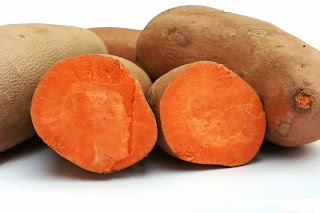
- Make salty favourites at home, lower in salt oven‑baked sweet potato crisps, herbed popcorn, lightly seasoned roasted nuts, or air‑fried cauliflower “wings.”
Structured snacking doesn’t remove the fun — it makes treats
more enjoyable because you notice them.
Eating out and takeaways — quick mindful rules
Eating from restaurants and takeaways can be salt‑heavy.
Use simple techniques to avoid overdoing it.
- Scan the menu for keywords: “grilled, roasted, steamed, plain” are better than “creamy, buttery, battered, glazed.”
- Ask for sauces and dressings on the side so you can control how much you use.
- Order tomato‑based or broth‑based options over cream‑based dishes when possible. A tomato curry is often much lower in saturated fat and similar in flavour.
- Choose a side salad, veg or a baked potato over fries to add fibre and reduce salt.
- Use polite scripts: “Could you go light on the salt, please?” or “Can the sauce be served on the side?” These work equally well in apps — use the special instructions box.
Small requests often make a big difference. Staff are
usually happy to help.
Mindful hosting: set the scene for better choices
If you’re hosting, your setup can support mindful eating for
everyone.
- Offer a clear water station with citrus and mint so guests can hydrate easily.
- Create a “build your plate” station with protein, veg, grains and sauces on the side. Make the veg the most visible and accessible item.
- Use smaller plates and multiple small bowls instead of one large platter of snacks.
- Put tempting, high‑salt snacks in the kitchen rather than the main viewing area. Encourage halftime resets — clear plates and offer a fresh small plate for the second half.
- Provide mocktails and smaller drink glasses so people naturally pour less.
Hosting proactively makes mindful eating the easier choice
for everyone.
Emotional eating and coping with tournament stress
- Big matches are emotional: tension, excitement and communal highs and lows can trigger emotional eating. Mindful tools help.
- Name the feeling. When you feel the urge to eat wildly, label the emotion: “That’s excitement,” or “That’s nerves.” Naming reduces the intensity.
- Use a two‑minute rule. If you want to snack during a tense moment, wait two minutes. Often the urge passes or becomes clearer.
- Choose grounding actions: breathe deeply, take a short walk to the kitchen, or sip water slowly. These disrupt automatic reach‑and‑eat responses.
- Keep a small “comfort kit”: a favourite cup, a tart or sour candy (small portion), or a warm drink — options that don’t rely on large amounts of food.
- Choose grounding actions: breathe deeply, take a short walk to the kitchen, or sip water slowly. These disrupt automatic reach‑and‑eat responses.
- Keep a small “comfort kit”: a favourite cup, a tart or sour candy (small portion), or a warm drink — options that don’t rely on large amounts of food.
Emotional eating is normal; the aim is curiosity, not judgment. A little kindness goes a long way.
Recovery: the morning after a match
If you overindulged, recovery is practical and compassionate-
not a punishment
- Hydrate first. Water with a pinch of salt and a squeeze of lemon or an oral rehydration sachet helps restore balance.
- Aim for a balanced breakfast: protein, wholegrain and fruit — for example, eggs with wholegrain toast and a piece of fruit or a yoghurt pot with nuts and berries.
- Move gently: a short walk improves circulation and mood.
- Reflect and plan: one small change for the next match night — “half the portion boxed” or “one mocktail per half.”

Recovery habits protect your mood and energy for the rest of
the tournament.
- A short mindful‑eating checklist (use on match nights)
- Pause before the first bite. Take one breath.
- Put snacks on a plate. Avoid eating from bags.
- Pre‑decide one treat and one healthy option.
- Alternate drinks with water. Keep a visible water jug.
- Ask for sauces on the side when ordering in or dining out.
- Box half before you start if portions are large.
- Check in at halftime: full, hungry, or something else?
Keep this checklist by the TV or in your phone notes for
quick reminders.
When to seek help
If eating or drinking is causing you distress, affecting
sleep, or you’re using food or alcohol to avoid difficult feelings on a regular
basis, consider talking to a healthcare professional or a counsellor. For
issues that involve medical conditions (high blood pressure, medication
interactions, pregnancy), follow clinician advice about salt and alcohol.
Final thoughts — small changes, big tournament wins
Mindful eating for tournament season is about presence over
perfection. You can still have pizza, enjoy a beer and celebrate a winning goal
— while making choices that preserve your energy, mood and health. Small habit changes
across multiple match nights, means better sleep, fewer heavy mornings, and
more energy to enjoy the tournament from kickoff to full‑time.
Enjoyed this post? You might also like: read more articles — or grab the free Wellness Pack below.
Free Wellness Pack — 3 mini-guides to get started
A bundle of short, practical guides: Mental-wellness food checklist, Low‑salt shopping checklist, and a 5‑step emotional‑eating plan. Delivered by email.
- Printable 1‑page checklists
- Practical, simple steps you can use this week






Comments
Post a Comment